
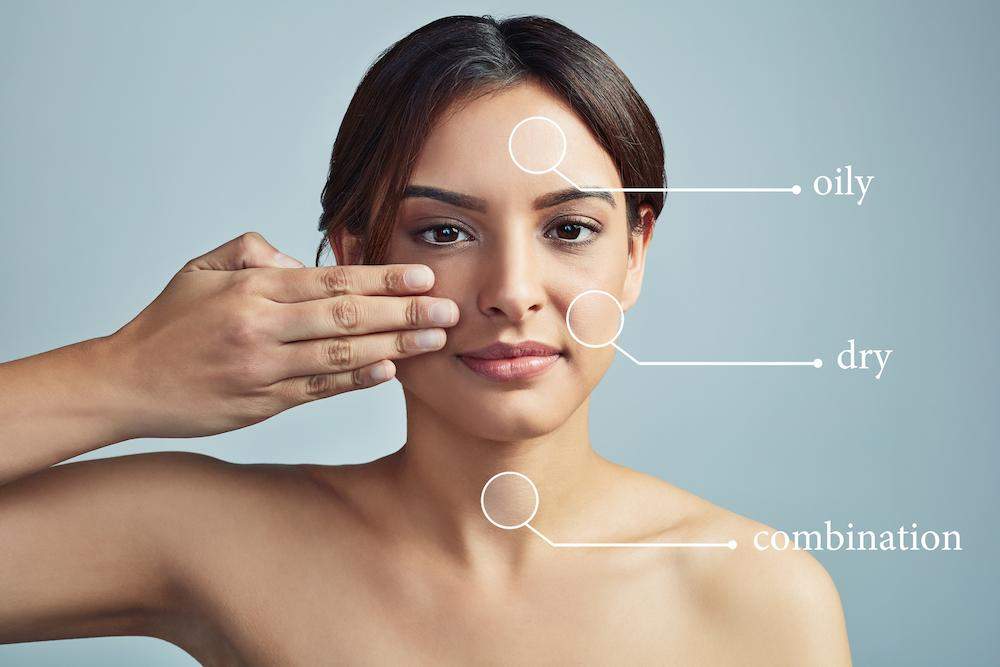
- Knowing your skin type helps you make the right decisions about skincare.
- The four major skin types are oily, dry, combination, and sensitive.
- Your skin type can change over time.
Many people struggle with skin issues and can’t seem to get them solved, even when the products they choose are expensive. This is not because their skin is “bad,” but because the formulations they are using are meant for a different skin type. The wrong products can lead to problems like irritation, acne breakouts, and premature aging, just to name a few. While genetics does play a role, external factors are also important. Identifying your base skin type is the first and most important step toward a radiant, healthy complexion.
Flawless by Melissa Fox provides a customized skincare regimen tailored to your skin type and lifestyle.
Why Identifying Your Skin Type Matters
Knowing your skin’s unique profile allows you to choose ingredients that work with your biology rather than against it. For example, a heavy cream on oily skin tends to clog pores. Likewise, a foaming cleanser used on dry skin causes damage and additional dryness. Skin type and a skin condition are two different things. Dehydration is a skin condition. Dryness is a skin type.
Professional treatments, such as those at Flawless by Melissa Fox, are tailored to your specific skin type. These solutions provide maximum results without downtime.
The Four Primary Skin Types
Your skin has its own individual needs based on how much oil (sebum) it naturally produces and how reactive its protective barrier is.
Oily Skin
Skin that produces higher-than-average levels of sebum falls into the oily skin category. Overactive sebaceaous glands can make the skin appear shiny or greasy, with enlarged pores and blackheads being common.
Dry Skin
The polar opposite of oily skin, dry skin doesn’t produce enough oil. With a dull appearance and feeling of tightness, dry skin is prone to cracking, flaking, and peeling.
Combination Skin
Thanks to uneven distribution of oil glands, combination skin displays both dryness and oiliness, but in different areas. Those with combination skin may experience oiliness in the T-zone (forehead, nose, and chin) and dryness on the cheeks.
Sensitive Skin
Skin that reacts to stressors, including some skincare products, is characterized as sensitive. Degrees of sensitivity range from mild irritation to redness, itching, and regular discomfort.
Two Easy Ways to Test Your Skin Type at Home
Although you may already have a general idea of your skin type, some products and techniques, like exfoliation, can mask its true nature. Give your skin a break from anything other than basic skincare for at least a week to assess it in its most natural state.
The “Watch and Wait” Method
The easiest way to determine your skin type requires only one product and 30 minutes.
- Wash your face with a gentle cleanser.
- Pat dry (do not apply any additional products).
- Allow 30 minutes to go by.
Observe your skin in the mirror.
- Oily skin will appear shiny.
- Dry skin will have a matte appearance and may feel tight.
- Combination skin may appear shiny in the t-zone, but look more matte in other areas.
- Sensitive skin is more difficult to spot. It may appear fine, but then become irritated or red due to external stimuli such as temperature, sun, or product ingredients.
If you have none of these concerns, you’re blessed with normal skin.
The Blotting Sheet Test
Another simple method for skin typing involves pressing clean blotting paper against different areas of your face. Examine the sheet to determine how much oil is absorbed and where. This is best done around midday or evening, as testing too soon after cleansing can skew results.
Factors That Can Change Your Skin Type
Skin isn’t static. While teenage skin may be oily and acne-prone, that same skin could become drier as it ages due to changing hormone levels. Climate also plays a role. Heat and humidity can be linked to oilier skin, while arid climates and dry winter air can cause dryness.
Beyond the Basics: Professional Skin Analysis
DIY methods of skin typing are good for developing a baseline understanding of your skin, but they don’t provide a full diagnostic report. A professional consultation can distinguish between actual skin type and temporary conditions.
Don’t leave your skin to guesswork. Schedule a professional skin analysis at Flawless by Melissa Fox to receive a customized treatment plan and regimen tailored specifically to you.
Photographer: PeopleImages / Shutterstock